I remember when I first discovered aromatherapy several years ago. I was fascinated by essential oils and excited to try using them. Looking back, I realize I should have done a bit more research before diving into aromatherapy. I offer you the advice I wish I’d had when I was an aromatherapy newcomer.
1. Buy One or Two Aromatherapy Books
Choose just one or two books to start your aromatherapy library. Select books that are general resources, which will give you some basic information and help you discover the areas in which you have the most interest. You can also find a whole host of information online.
2. Join Aromatherapy Groups & Discussion Forums
Facebook Groups, Instagram pages and other forums are great resources for aromatherapy newbies. Read past discussions, ask questions, and learn from others.
3. Choose between Five and Ten Essential Oils to Start
Though you may be tempted to buy more, try to begin with just five or ten different essential oils. Essential oils can be quite expensive, so you may want to experiment with a few at first and then invest in more if you decide to pursue aromatherapy further.
4. Make Sure to Buy only 100%, Pure Essential Oils
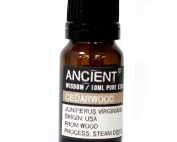
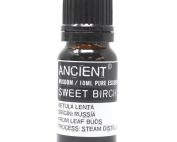
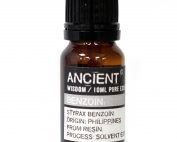
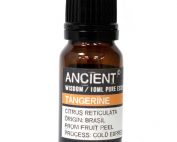
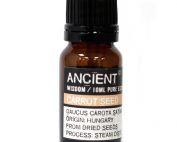
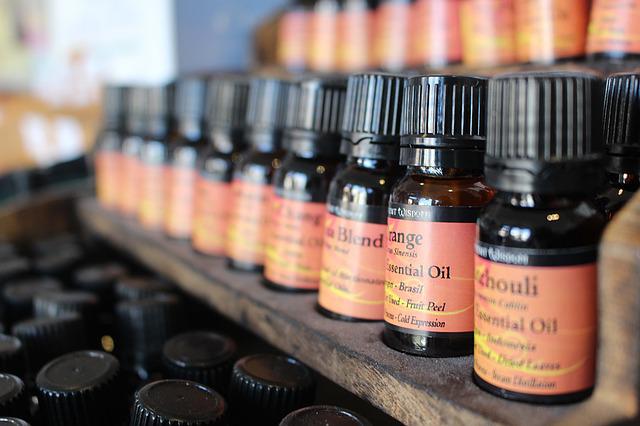
When you buy essential oils, choose a well-known and reputable manufacturer. We use oils from Ancient Wisdom. You can view our range of Essential Oils here. Make sure you are NOT buying synthetic, fragrance, and perfume oils as these are not the same as essential oils. They contain man-made chemicals and have no benefit. They cannot be used for aromatherapy.
5. Buy at Least One good Carrier Oil or Base Oil
You will need this to use your essential oils in an oil burner. For nearly all topical aromatherapy applications, you will need to dilute essential oils before applying to the skin. Before you can start an aromatherapy massage, you will need to add your essential oil into a carrier oil or base oil. Some good all-purpose carrier oils include sweet almond oil, sunflower oil, and grapeseed oil. Only buy high grade carrier oils, and use only a few drops of essential oil per ounce of carrier oil. You can see some examples of our carrier and base oils below.
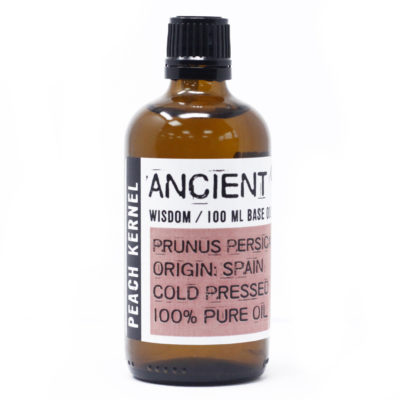
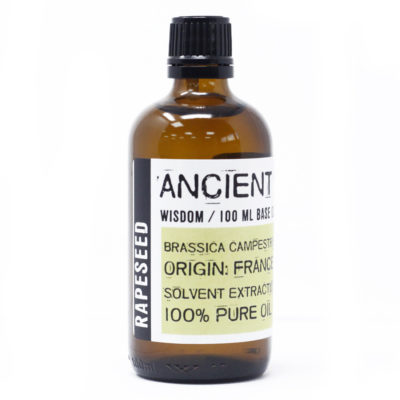
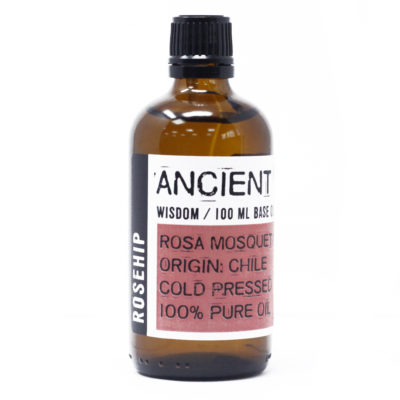
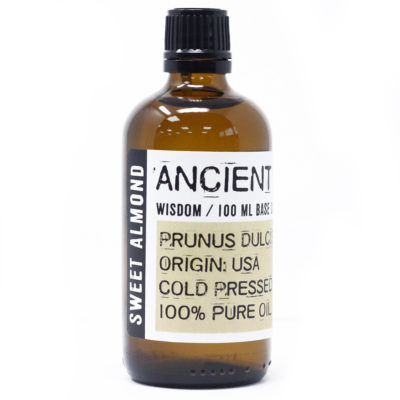
6. Store Your Essential Oils Properly
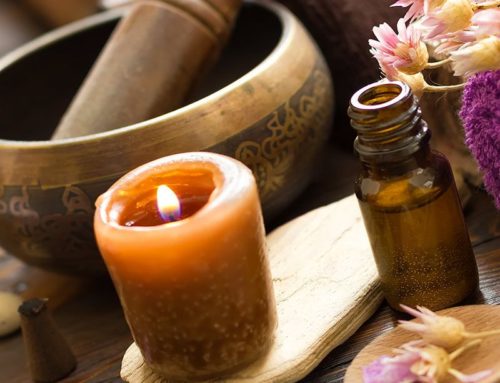
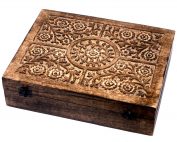
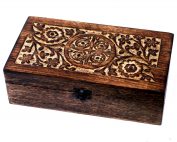
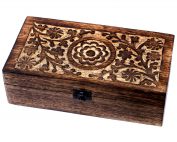
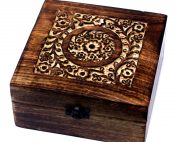
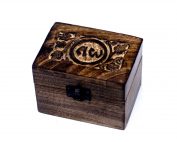
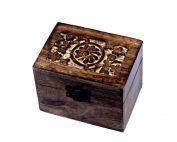
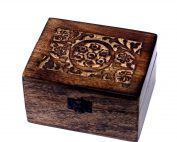
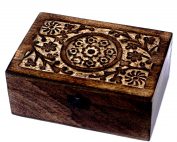
Essential oils should be stored only in dark containers. These can be glass or wood. Since essential oils are volatile, keep the lids tightly closed. Essential oils and carrier oils should be stored away from heat and light. Carrier oils will go rancid eventually, so it’s best to buy smaller quantities.


7. Don’t Use Aromatherapy with Children or Pets
Until you are thoroughly familiar with essential oils and associated safety issues, don’t use them on children or pets, or while pregnant or breastfeeding. Cats, in particular, may be adversely affected by essential oils. Make sure essential oils are kept out of reach of children. Remember essential oils are not a substitute for medical attention. Infections and illness should be treated by a doctor.
8. Do NOT Ingest Essential Oils
Though you will read conflicting information about taking essential oils internally, you should avoid doing this. Some essential oils that are fairly safe to use topically may be quite toxic if taken internally. In addition, some essential oils may interact with prescription drugs or over the counter medication.
As you experiment with and learn more about aromatherapy, you will become more confident using essential oils. There is so much to explore, so be safe and have fun!